Loading...
Serving Palm Beach Gardens, FL and surrounding areas. (561) 576-0529
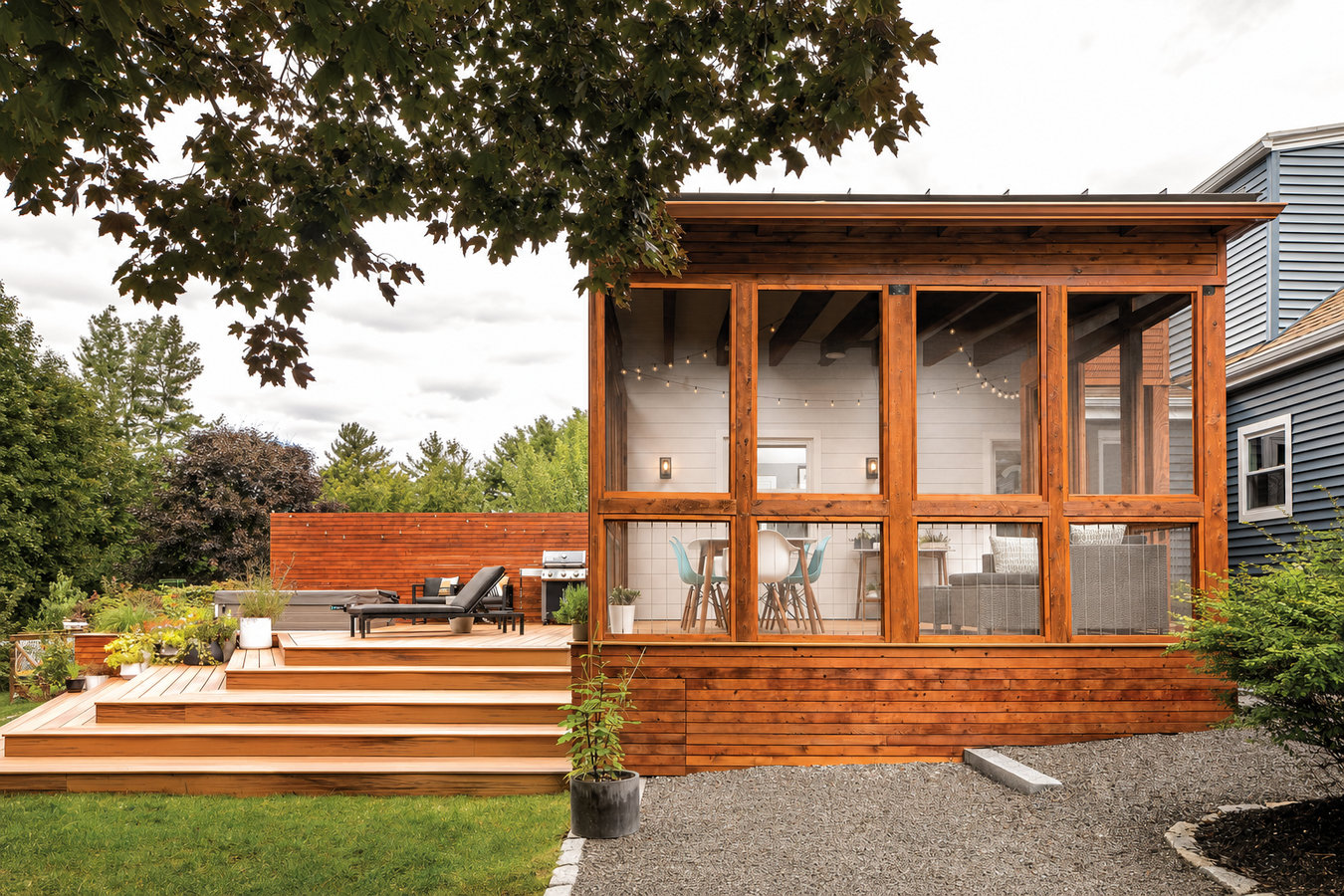
Mosquitoes and no-see-ums end most evenings early in Palm Beach Gardens. A properly built screened enclosure gives you those evenings back - every month of the year.
Screened-in porches and screened decks in Palm Beach Gardens involve framing a lightweight mesh enclosure over an existing deck or new structure - most residential builds run between $8,000 and $20,000 depending on size and roof style, with construction taking three to seven business days once permits are approved and materials are on site.
Palm Beach Gardens homeowners invest in screened enclosures because the insect pressure here is real. The city sits adjacent to the Loxahatchee Slough and several nature preserves, which means mosquito and no-see-um activity is heavy for most of the year - not just summer. An open deck or patio can become unusable for months without protection. If you already have a covered patio or deck cover in place, adding a screened enclosure around it is a straightforward next step that turns a shaded space into a fully protected outdoor room.
Every screened enclosure we build is permitted through the City of Palm Beach Gardens Building Division and engineered to meet local wind-load requirements. In Palm Beach Gardens, that is not optional - it is how you make sure the structure survives storm season and holds up on your property record when you eventually sell.
If mosquitoes and no-see-ums drive you inside before you are ready to go, especially near a canal, preserve, or golf course pond, that is the clearest sign a screened enclosure would change how you live in your home. Many Palm Beach Gardens homeowners with open decks simply stop using them for six or more months of the year because the insect pressure is too heavy without protection.
South Florida's afternoon storms blow leaves, seed pods, and dirt across open outdoor surfaces constantly during rainy season. If you find yourself sweeping or hosing down your patio multiple times a week just to make it usable, a screened enclosure would dramatically reduce that maintenance burden. Screen keeps most wind-driven debris out while still letting the breeze through.
Florida's UV exposure is among the most intense in the country, and outdoor furniture, rugs, and cushions left on an open deck can fade or break down within a single season. If you are replacing outdoor furniture more often than you expected, a screened enclosure blocks direct sun and reduces rain exposure - extending the life of your investment by years.
In Palm Beach Gardens, screened outdoor living spaces are a standard expectation in many neighborhoods. Buyers often see an open, unscreened patio as an unfinished feature. If you are preparing to list, adding a screened enclosure is one of the more cost-effective improvements you can make to meet buyer expectations - and a permitted enclosure avoids disclosure complications that come with unpermitted additions.
We build screened enclosures in a range of configurations - over existing slabs and patios, over new deck structures, and around pool areas where a full pool cage or partial screen barrier is needed. Roof styles include pan roofs, hip roofs, and gable designs, each with a different profile and price point. Before we design anything, we ask about your HOA requirements, because communities like PGA National, Mirasol, and BallenIsles each have specific rules about roof style, frame color, and screen type. A design that does not clear the architectural review board is a delay you do not need. If you want both shade and insect protection, pairing a covered deck or patio cover underneath a screened enclosure gives you the most comfortable, usable outdoor space possible.
Screen mesh selection is something most contractors rush past, but it matters here. Standard fiberglass mesh is the right choice for most homes, but if you live near a canal, golf course pond, or one of the preserves adjacent to the Loxahatchee Slough, no-see-um mesh with its tighter weave will block the tiny biting midges that standard screen lets through. We also handle all permitting through the City of Palm Beach Gardens Building Division and coordinate HOA submission packages, so the paperwork process does not fall on you. For homeowners who want to add a pergola nearby as an open-air companion structure, we can plan both projects together on one coordinated timeline.
Best for homeowners who already have a concrete slab or paver patio and want to add insect and weather protection without building a new structure underneath.
Best for homeowners who want to build a new deck and screen it in simultaneously - combining both projects reduces overall cost and speeds up the schedule.
Best for homeowners with a pool who want a screened structure that meets Florida pool barrier requirements while creating a protected outdoor living area around the water.
Best for homeowners who want to convert an open covered porch or lanai into a fully enclosed screened room - maximum insect protection with the feel of an indoor-outdoor space.
Palm Beach Gardens sits adjacent to the Loxahatchee Slough and several large nature preserves, which means mosquito and biting midge pressure is heavy for most of the year - not just summer. This is the single most common reason homeowners here invest in a screened enclosure rather than an open deck. Homeowners near golf course ponds and canal-side lots face the additional challenge of no-see-ums, the tiny biting midges that pass right through standard screen. Choosing the right mesh for your specific location is something a contractor who works in this market regularly will know to address before the materials are even ordered. We also build to Palm Beach Gardens' wind-load requirements, which are more demanding than most of the country because of the region's hurricane exposure - every enclosure includes engineered drawings submitted with the permit application, not just a sketch.
Many Palm Beach Gardens homes sit inside HOA-governed communities with architectural review boards that control what outdoor structures look like. If you live in Jupiter or in a neighborhood close to the planned communities of Palm Beach Gardens, the HOA submission process adds two to four weeks before a permit can even be filed. We handle that process on your behalf - drawing up the submission package, knowing what each community typically approves, and keeping the timeline moving so you are not chasing signatures. Homeowners in Tequesta and surrounding areas face similar coastal considerations, and we bring the same approach to every project we take on outside of Palm Beach Gardens proper.
We ask a few basic questions - existing slab or new structure, approximate size, HOA community or not - and schedule a free on-site visit. Most calls get a response within one business day.
We measure your space, discuss roof style options, screen type, and door placement, and review your HOA requirements if applicable. You receive a written quote within a few days.
We handle the HOA submission package and permit application through the City of Palm Beach Gardens Building Division. This typically takes four to eight weeks combined - we manage every step so you do not need to visit the permit office.
Construction runs three to seven business days. A city inspector visits after completion - we schedule and attend the inspection. Once it passes, we walk you through the finished space and you can use it the same day.
Free written estimate - no obligation. We respond within one business day.
(561) 576-0529Palm Beach Gardens is in a wind-borne debris region, which means the city requires engineered drawings with the permit application - not just a sketch. We include this in every project as a standard part of the process, because a permit submitted without proper engineering gets rejected and costs you weeks of delay.
We know the architectural review requirements for PGA National, Mirasol, BallenIsles, and other planned communities in Palm Beach Gardens. We prepare your submission package, flag any design elements that commonly get rejected, and keep the process moving so HOA review does not become the bottleneck on your project.
Salt air from the Atlantic reaches most Palm Beach Gardens neighborhoods, especially east of I-95. Standard steel hardware corrodes within a few years in this environment. We use marine-grade fasteners and powder-coated or anodized aluminum framing on every enclosure - the details that separate a structure that lasts from one that needs repairs after the first storm season. NADRA best practices support this approach as the standard for coastal outdoor structures.
Every enclosure we build goes through the City of Palm Beach Gardens permitting process and passes a final city inspection before we consider the project complete. That means your addition is officially on record - a selling point rather than a disclosure problem when you eventually list your home.
Each of these details matters specifically here in Palm Beach Gardens, where coastal conditions, active enforcement, and demanding HOAs set a higher bar for outdoor construction than most markets. We build to that bar on every project, not just the ones where someone is watching.
Add a solid or open-lattice roof over your outdoor space for shade and rain protection before screening it in.
Learn MoreA freestanding pergola creates a defined outdoor room with filtered shade - a natural companion to a screened porch on larger properties.
Learn MorePermit slots and build dates fill up heading into the busy season in Palm Beach Gardens. Lock in your estimate now so you are not waiting through another summer.